
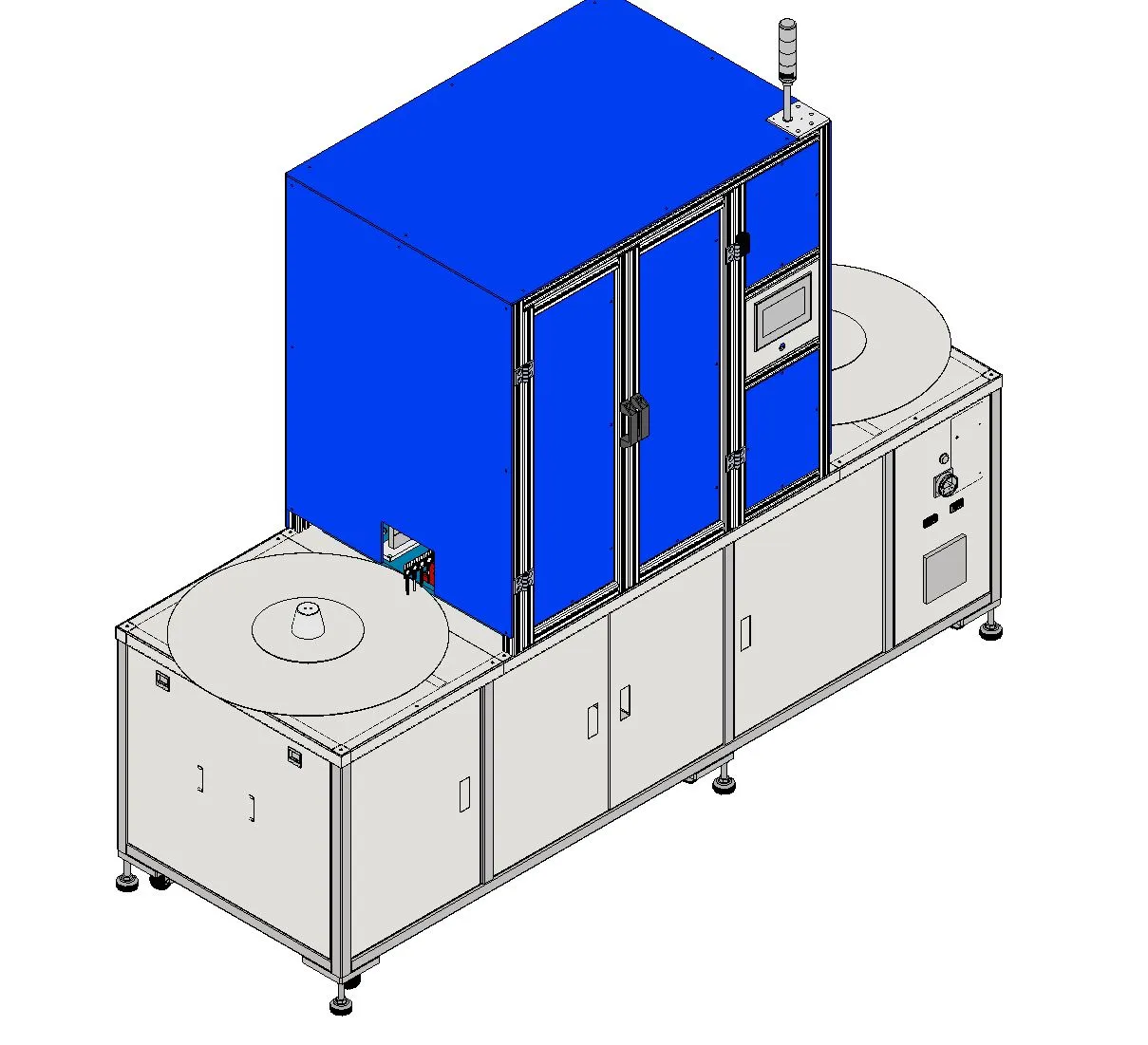
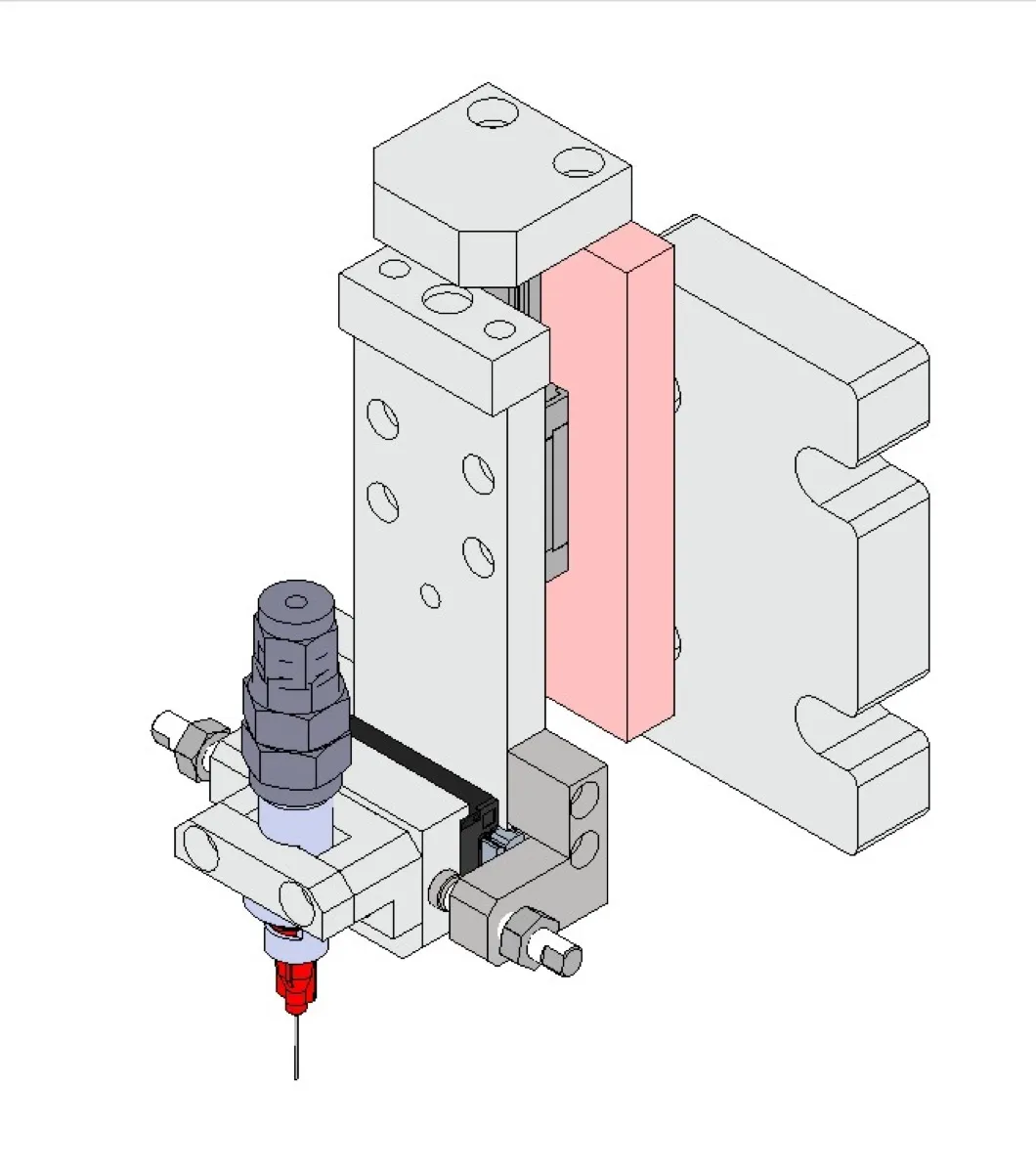
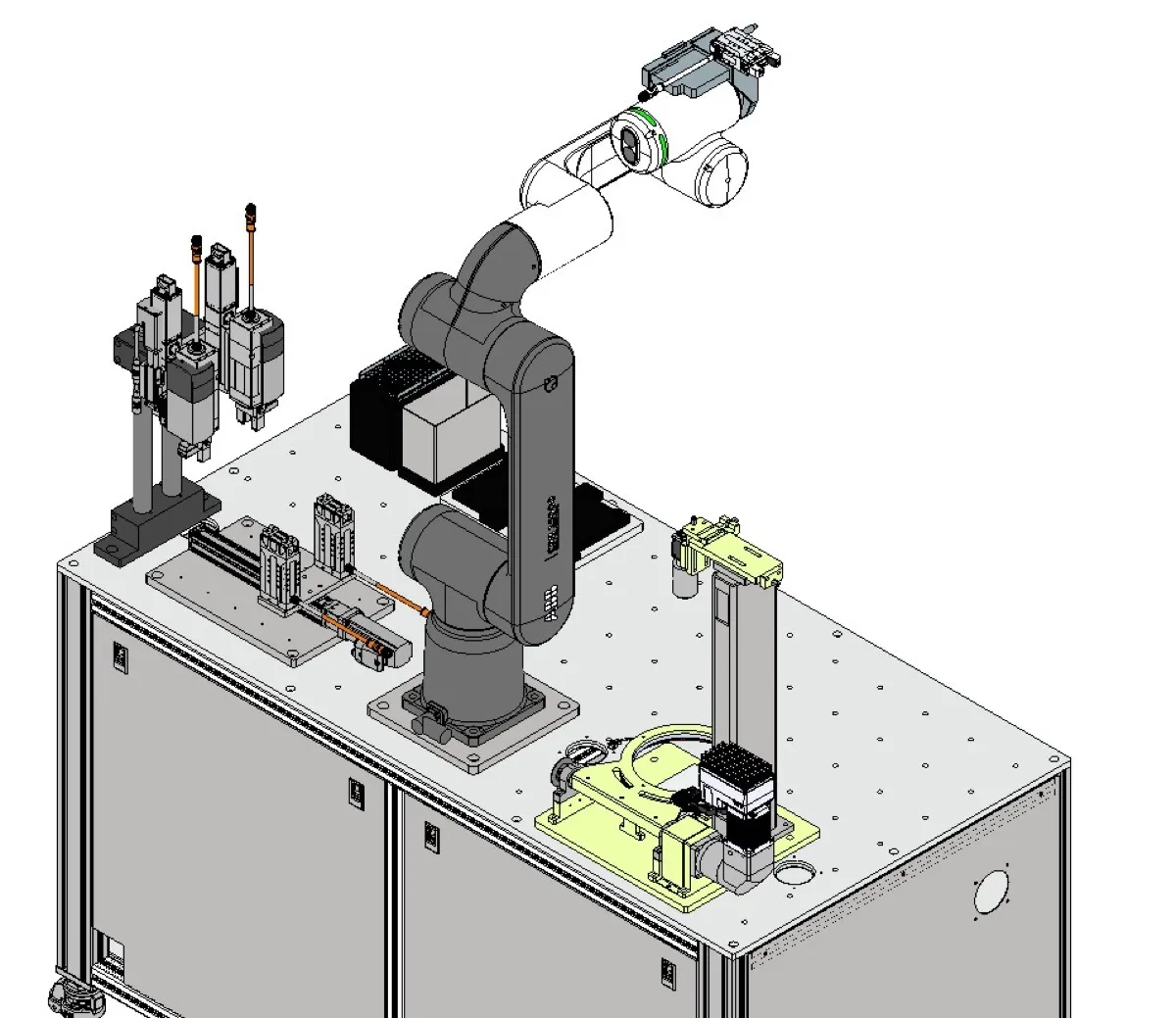
Motionwell designs and builds pharmaceutical packaging machinery with stainless steel construction, volumetric and gravimetric dosing through diaphragm dispensing valves, and inline inspection at every critical point. Our delivered systems include a tray-fed triple-head simultaneous filling and sealing machine, an automated vial capping and uncapping station, and dispensing units with cartridge and pump assemblies.
We select the dosing principle against viscosity, foaming and dose size, match the enclosure to the cleaning method, and integrate batch reporting with the production records. To compare machine formats and dosing options, start with our filling machines capability page.
Where Can You Buy a GMP Filling Machine in Singapore?
Motionwell Automation designs and builds pharmaceutical filling and packaging machines in Singapore. Our tray-fed filling and sealing platform doses through three heads in parallel, with stainless steel product-contact surfaces and separate infeed and outfeed trays. Related delivered equipment includes an automated vial capping and uncapping station with torque control and cap-presence verification, plus cartridge and pump dispensing units. We define the filling trial, cleaning requirements, inspection and validation deliverables together at design review. The wider automation capability range covers serialization, controls and line integration around the filler.
- Triple-head simultaneous filling with volumetric and gravimetric dosing for oral liquids, eye drops, and reagent vials, fill range and accuracy band set against the product
- Automated vial capping and uncapping stations with torque control and cap presence verification
- Serialization and coding with TIJ/laser printing, OCR/OCV verification, and red strobe inspection for track-and-trace compliance
- Tray-fed container handling with loading capacity and changeover time included in the sustained-rate calculation
- Stainless steel product-contact construction, with steel grade, wetted-path finish and enclosure ingress protection specified against your cleaning chemistry and cleaning method
- Verification at every stage: fill level, seal integrity, label accuracy, and code readability
- Maintenance-friendly design with tool-free changeover parts and safe changeover procedures
- Clear fault diagnosis with HMI alarm codes, fast recovery sequences, and batch reporting (counts, rejects, reason codes)
- Diaphragm-valve dosing with level sensors, recipe-based parameter control, and automatic tare correction
- Conveyor indexing with heat seal and crimp seal integration
- Vision systems for print and label verification with programmable reject gates and pneumatic segregation
- PLC recipe management, alarm handling, event logging, and 21 CFR Part 11 batch record support
What Has Motionwell Built for Pharmaceutical Packaging Lines?
Featured: Triple-Head Precision Filling & Sealing Machine
Motionwell designed and built a tray-format filling and sealing machine with triple-head simultaneous dosing, stainless steel contact surfaces, and integrated heat sealing with reject sorting. The filling and sealing machine case study follows the container from infeed tray through dosing and closure to outfeed.
- Transport: Separate infeed and outfeed trays with three-head parallel dosing
- Dosing: Volumetric or gravimetric through diaphragm dispensing valves, accuracy band set against the product
- Construction: Stainless steel frame and contact surfaces, designed for ISO Class 7/8 installation
- Features: Recipe-based HMI, batch reporting, automatic reject segregation
How Is the Filling and Sealing Machine Constructed?
Construction on this machine is a set of specification lines, and it is worth being precise about which of them are fixed at quotation and what fixes the rest.
Product-contact surfaces are stainless steel, dosing runs through diaphragm dispensing valves with a vacuum suck-back at each nozzle, and the container format is carried in a machined tray set, so a format change is a tray swap. Three lines stay open until design review: cleaning chemistry decides the steel grade, because chlorides and hot caustic are not the same duty for the same metal; the validation protocol decides what wetted-path finish you have to measure and prove; and the cleaning method the room allows decides the enclosure ingress rating. A rating written for dust and a low pressure spray is not the same rating as one that survives a hose or live steam, and that difference lands in gland and door seal design.
The enclosure, seals and cable entries are specified for the agreed cleaning procedure. For installation in ISO Class 7/8 space, material choice, particle generation and airflow are reviewed with the facility team; the cleanroom automation guide explains how those requirements affect the equipment.
How Fast Can the Line Run, and at What Accuracy?
Throughput and dosing accuracy trade against each other, and the answer depends on which dosing principle the product tolerates.
Both figures are quoted per project, never carried over from the last build. Sustained rate on a tray-fed platform follows fill volume and seal dwell: a small dose under a screw cap indexes faster than a larger dose under a heat seal that has to stay under the jaw. The accuracy band follows the dosing principle, and the principles differ in character. A time and pressure method drifts with product temperature and viscosity; positive displacement holds a tighter band and gives up some format range; gravimetric checks the dose, inferring nothing, and costs cycle time. Viscosity, container geometry and foaming behaviour decide which one a product will accept, which is why we ask for a product sample and a container sample before committing to a rate. Each filling nozzle uses a vacuum suck-back mechanism that stops dripping between cycles, a small detail that decides whether an expensive product ends up on the tray.
How Do Sealing and Inspection Fit into the Same Machine?
After dosing, the machine transfers containers to the integrated sealing station. The closure determines the process: heat sealing for foil lidding, crimping for vial closures, or rotary cap tightening with torque control. Container support and transfer timing keep the product located through each step.
Inline vision runs immediately after sealing. Cameras verify fill level against programmed thresholds, inspect seal integrity for wrinkles or incomplete bonds, and trigger pneumatic reject gates that segregate NG units without stopping the line. Setting the reject threshold is the part customers underestimate: too tight and you scrap good product, too loose and defects escape. The machine vision inspection page covers how that balance is set and how the reject decision is logged. Where cases leave the line for a pallet, robotic palletizing picks up at the same point.
A checkweigher tests package weight through a controlled weighing window; a label inspection system checks identity, appearance and expected text. Keep both decisions associated with the item through rejection. Farther downstream, case erector selection addresses the blank, bottom closure and transfer condition needed by the packer.
Retail-carton loading has a different package boundary from shipping-case packing. automatic cartoner requirements covers loading direction, leaflets and incomplete-pack detection.
Strapping needs a verified tension and joint for the actual package. strapping process checks distinguishes that process from film wrapping and includes recovery tests.
Shrink-film finishing requires heat, airflow and time to be trialled together. heat shrink tunnel selection keeps the film result separate from product thermal exposure.
A packaging metal check needs real-product sensitivity and verified physical rejection. metal detector conveyor tests connects the detector result with pack tracking and reject confirmation.
What Does Serialization Add to a Packaging Line?
Track-and-trace turns a packaging line into a data source, and it needs to be designed in at the same time as the transport. On a serialized line the coder marks the unique identifier, the reader verifies it is present and legible before the unit is allowed downstream, and unreadable codes are rejected at the point of failure and never at the end of the batch.
Aggregation, code grading and the parent-child relationships between unit, case and pallet are covered on the pharmaceutical serialization page.
What Has to Be Validated, and What Goes into the Batch Record?
Filling machines in a regulated line are qualified equipment, so the documentation package is part of the deliverable. IQ/OQ/PQ protocol support comes with regulated builds, and the PLC layer carries recipe management, alarm handling and event logging built for 21 CFR Part 11 electronic batch records, with audit trails, access controls and electronic signatures included. The computer system validation page explains the V-model behind the protocols and where qualifications typically stall. Lines feeding sterile or single-use device products usually run alongside medical device assembly automation.
Bulk intermediates and solvent handling sit outside the small-container filling machine; that equipment is covered on the drum and pail filling systems page.